Resources for Police Accountability
Police violence is traumatic, confusing, and intentionally hard to navigate. These resources are here to help you protect yourself, keep track of what happened, and connect to support—whether you experienced the harm, love someone who did, or are working to hold systems accountable.
You’ll find NPAP’s resources below: information for people directly impacted by law enforcement officers and jail harm, and materials for organizers, advocates, and attorneys working to prevent harm and demand accountability.
For People Harmed by Police
If you experienced police violence or lost someone in custody, these resources can help you preserve evidence, understand your rights, and consider next steps toward accountability.
Find an Attorney
If you or someone you love has been harmed by police, jail, or prison staff, finding a lawyer can be one of the hardest steps. This resource explains what information to gather, how to approach an initial consult, and what to expect when reaching out to civil rights attorneys. It also helps you understand common barriers—like short legal deadlines and limited attorney capacity—so you can move quickly and strategically.
Manual for Victims of Police Violence
This manual is a practical guide for the hours, days, and weeks after police violence or abuse. It walks through how to document injuries and events, preserve evidence, identify witnesses and video sources, and keep a clear record of medical care and follow-up. It’s designed to help survivors and families protect themselves, avoid common pitfalls, and prepare to pursue accountability.
Know Your Rights Guide: Federal Law Enforcement Deployments
This guide explains what to expect during federal deployments, how to protect yourself during an encounter, and what rights remain in force when multiple agencies are involved. It also outlines practical steps for documenting misconduct and reporting harm when federal law enforcement violates people’s rights.
Know Your Rights Guide: Police At the Polls
The presence of law enforcement officers at polling locations can be intimidating to many voters–particularly voters of color–and deter them from exercising their constitutionally protected right to vote. While many election laws and rules are state-specific, this document provides general guidance on your rights when interacting with the police and federal law enforcement agents while voting.
Know Your Rights Guide: ICE At the Airport
The increased law enforcement presence—and particularly the increased presence of an aggressive, violent ICE agents—is understandably a cause for concern for many travelers. This guide provides a general overview of a person’s rights when interacting with ICE and other law enforcement officers at the airport.
Know Your Rights Guide: Protesters
Prepared in partnership with the National Lawyers’ Guild, this guide aims to give people thinking about going to or organizing a protest information about best practices for interacting with law enforcement in-the-moment, as well as advance information to consider in order to assess risk and prepare for possible police encounters.
For Advocates and Organizers
If you’re training your community, responding to harm, or organizing for policy change, these materials will help you build knowledge, document misconduct, and push for solutions that prevent harm to our communities.
Choosing Resistance: A Brief Guide for Local Action Against National Guard and Federal Law Enforcement Deployments
This guide offers practical, local strategies for responding when the National Guard or federal law enforcement agencies are deployed in your community. It outlines common patterns—escalation, jurisdictional confusion, and expanded surveillance—and how local officials, advocates, and communities can document harm and assert oversight. It’s designed to help organizers and local leaders act quickly, protect residents, and reduce the risk of abuse.
Qualified Immunity Fact Sheet
Qualified immunity is a court-created doctrine that shields police officers and other government officials from civil accountability—even when they violate people’s constitutional rights—unless a court has already ruled on nearly identical facts.
This resource explains how qualified immunity works, why it blocks so many civil rights cases before evidence is fully examined, and how it allows courts to dismiss cases without ever deciding whether the conduct was unconstitutional. It also outlines why civil rights lawyers across the political spectrum oppose qualified immunity and how eliminating it is critical to ensuring accountability, clarifying the law, and preventing future abuses of power.
Absolute Immunity for Prosecution Fact Sheet
Absolute immunity is a judge-made doctrine that shields prosecutors from civil lawsuits for misconduct tied to their role as advocates in the courtroom—even when they intentionally violate constitutional rights, withhold evidence of innocence, or fabricate evidence.
This resource explains how absolute immunity operates, why it provides prosecutors with broader protection than even police officers receive, and how courts routinely dismiss claims without examining the underlying misconduct or harm. It also outlines the real-world consequences of absolute immunity, including wrongful convictions and the near-total absence of professional discipline, and describes policy reforms needed to restore accountability within prosecutorial systems.
Liability of Police Employers Fact Sheet
Unlike most employers, cities and counties are rarely held legally responsible when police officers violate people’s constitutional rights. Supreme Court decisions have created a legal framework that shields police departments from liability unless a plaintiff can prove that an official policy or widespread practice caused the harm.
This resource explains how doctrines like Monell liability limit accountability for police employers, why courts require victims to meet extraordinarily high standards to sue cities and counties, and how secrecy around officer misconduct makes these cases even harder to bring. It also outlines how these rules weaken incentives for police departments to properly hire, train, supervise, and discipline officers—and why reforming employer liability is essential to preventing repeated abuses and systemic civil rights violations.
Civil Asset Forfeiture
Civil asset forfeiture is a tactic used by law enforcement to seize a person’s money, car, or other property—including bank accounts, businesses, houses, and jewelry—based simply on the suspicion that the property was used to commit a crime or connected to criminal activity.
Barriers to Suing Federal Law Enforcement
Unlike state and local police, federal law enforcement officers are largely shielded from civil lawsuits when they violate constitutional rights. There is no federal statute equivalent to Section 1983, and courts have steadily narrowed the limited pathways that once allowed people to sue federal officers directly.
This resource explains how the Supreme Court’s restrictions on Bivens actions have made it extraordinarily difficult for victims of federal law enforcement misconduct—including ICE, CBP, FBI, and Bureau of Prisons officers—to even get their cases heard in court, regardless of how serious the harm. It also outlines how these legal barriers prevent courts from ruling on the constitutionality of federal officers’ conduct, undermine deterrence, and leave people harmed by federal law enforcement with few meaningful avenues for accountability—highlighting why legislative reform is urgently needed.
Quick Links
Latest News
-
As ICE Heads to Airports, Know Your Rights.

In March 2026, the Trump administration announced that it would be deploying ICE officers to…
-
5 Questions for Markwayne Mullin
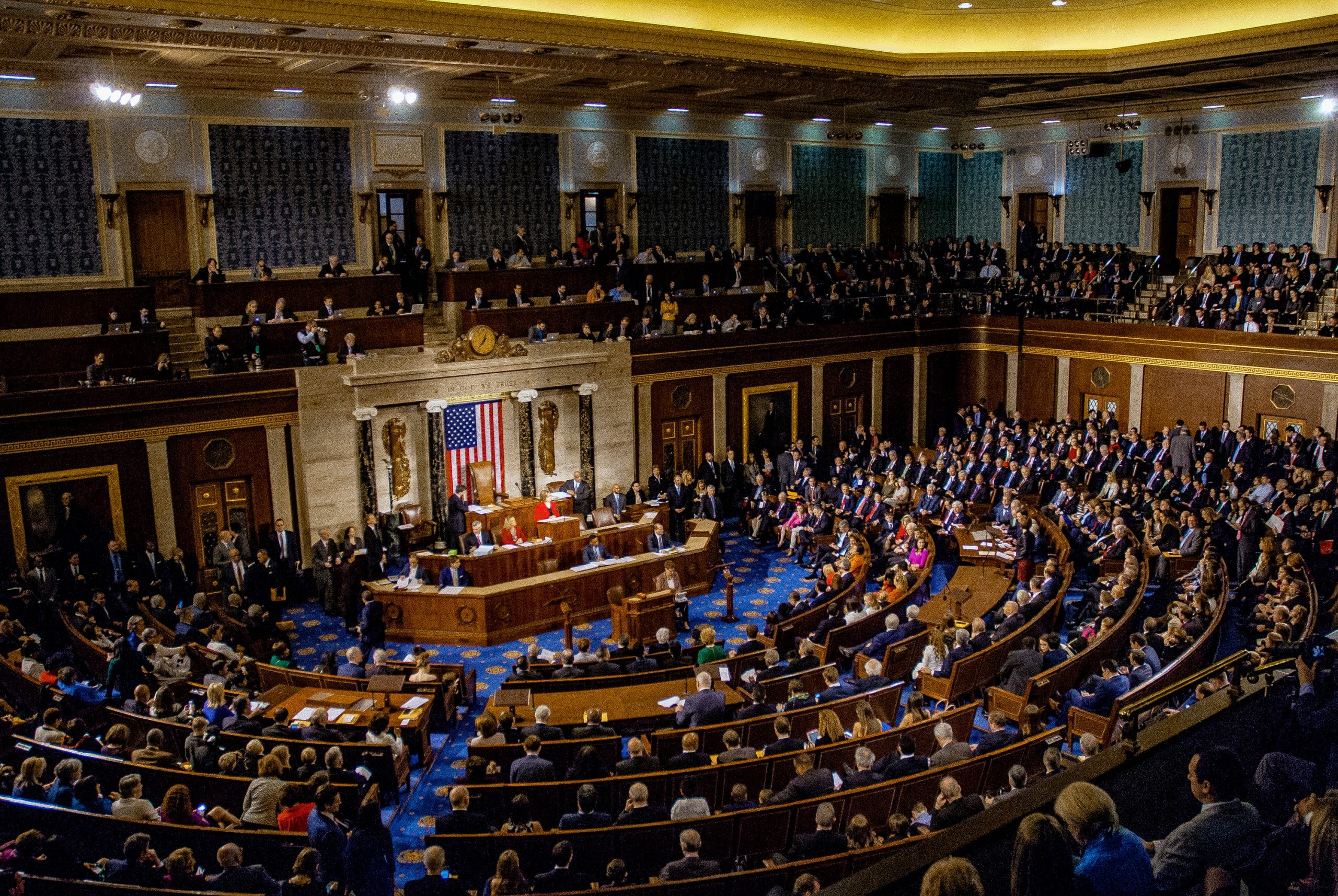
President Donald Trump’s decision to replace Homeland Security Secretary Kristi Noem with Senator Markwayne Mullin…