


National Police Accountability Project Takes First Step in Civil Rights Claim on Behalf of Yovana Lopez Medina
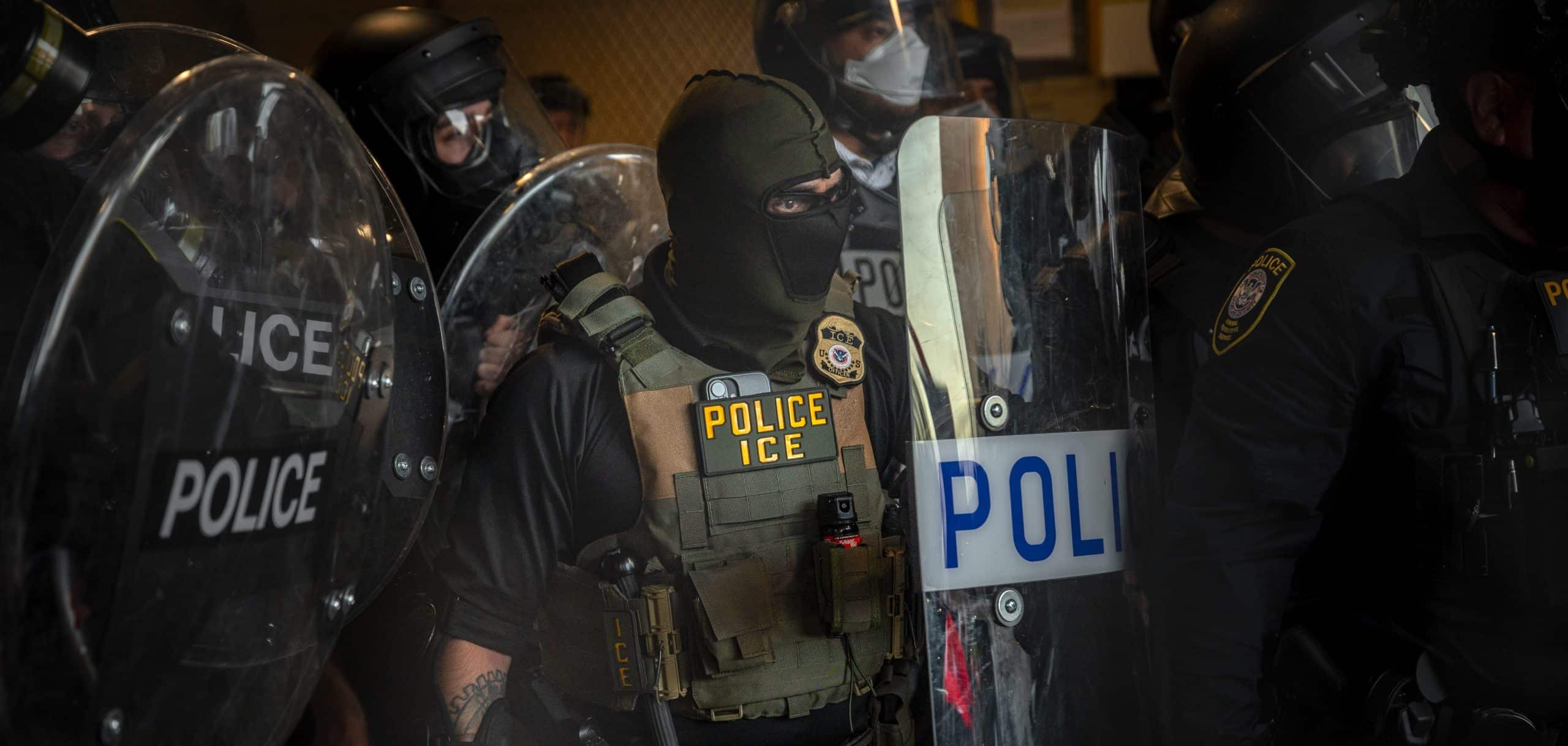
OKLAHOMA CITY – ICE agents in the Oklahoma City office thought they could intimidate immigration lawyer Yovana Lopez Medina. They were wrong when they assaulted her, forced her to remove a social media post last spring, followed her and surveilled her home, and they are wrong today.
Medina and her legal counsel just filed an SF-95 (Claim for Damage, Injury, or Death) with the Department of Homeland Security, Department of Health and Human Services, Citizenship and Immigration Services, and Immigration and Customs Enforcement — the first step in what will almost certainly become a civil rights lawsuit under the Federal Tort Claims Act.
I’m taking this step because I am not intimidated and I know my rights. I had the right to be exactly where I was and the right to represent my client, which I always do to the best of my ability. I was just doing my job when ICE officials decided to harass and follow me. We have to stand up for ourselves and enforce our rights because if we don’t use them, they don’t exist. The American people are tired of the Trump administration’s Gestapo tactics. If the government is willing to hold itself accountable and admit its mistakes, this case ends here. If not, I look forward to my day in court.
—Yovana Lopez Medina
Represented by Jones Law Firm and the National Police Accountability Project (NPAP), Medina is challenging the assault, freedom of speech violations, and retaliatory intimidation she experienced at the hands of ICE agents.
Across the country, we’re seeing ICE agents act like they have complete authority to do whatever they want. They act like the Constitution doesn’t matter. But this country still has laws. We still have courts. And we’re going to use them to hold these agents accountable, because no one is above the law, including law enforcement.
—Lauren Bonds, Executive Director of NPAP
What Happened?
In March 2026, Medina and a client attended what should have been a routine ICE check-in appointment when a low-level officer, Guzman, made the decision to detain her client. When Medina asked to speak with Guzman’s supervisor, he became irate.
Guzman shoved Medina and threatened to arrest her. As second officer, Ethan Taylor, grabbed her client and both men took him away. Unable to secure her client’s freedom, Medina posted about the unsettling incident on Facebook. That is when the systematic intimidation and surveillance of Medina began.
A Homeland Security Investigations (HSI) agent directed her to delete the post and urged her to post an apology. She was first banned from the building and then subjected to enhanced security when attempting to enter, and surveilled at her home and while driving over a period of months. Medina resigned from her job at a local law firm due to pressure to “make amends” with ICE, and has since started her own practice.
What Is Medina Doing About It?
A Standard Form 95 is a federal administrative tort claim — the required first step before suing the U.S. government for damages under the Federal Tort Claims Act (FTCA), 28 U.S.C. §§ 1346(b), 2671–2680. A claimant must file an SF-95 with the responsible federal agency and give it six months to respond.
Once an SF-95 is filed, the federal government has six months to investigate and respond to each claim. They can decide to settle, deny the charges, or let the deadline pass without action. If the government denies the claim or fails to respond within six months, Medina may then file a lawsuit in U.S. District Court.
We’re working with lawyers across the country who are filing lawsuits against ICE and other law enforcement agencies. We trained legal workers in Florida and Texas on how to file these same types of claims.
The legal community is more motivated than ever to hold ICE and other police agencies accountable when they violate our rights. Yovana Medina was just doing her job, and agents in the Oklahoma City ICE office thought they could bully her. But she’s not backing down, and neither are we.
—Lauren Bonds